
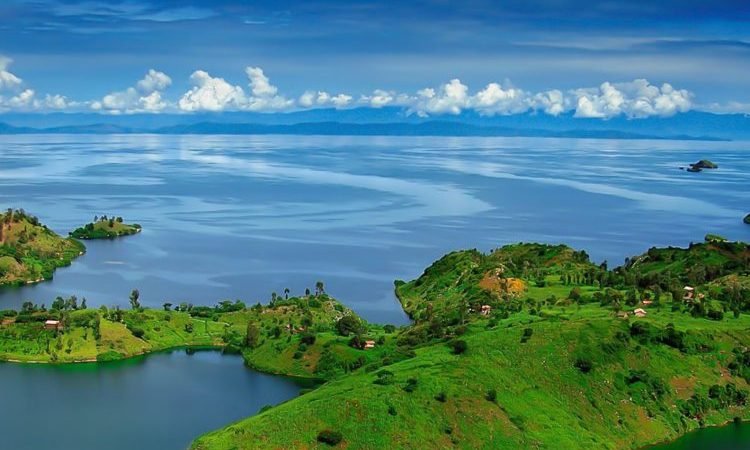
Rwanda is widely regarded as one of the safest countries in Africa to visit. Kigali is clean, orderly and well policed, street crime is low, and the national parks are carefully managed, with trained rangers on every trek. As anywhere, sensible precautions apply, and you should check your own government’s travel advice before you go. Here is what to know about safety, health and getting around.
Is Rwanda safe for tourists?
For most visitors, Rwanda feels calm and easy to travel in. Kigali is known for its tidy streets, good roads and visible police presence, and many travellers are surprised by how relaxed the city feels, including after dark in the main areas. Violent crime against visitors is rare. Petty theft can happen, as in any city, so keep valuables out of sight and use your hotel safe.
Rwanda is also orderly in ways you will notice. Plastic bags are banned, so they may be removed from your luggage on arrival. On the last Saturday morning of each month, the country takes part in Umuganda, a national community work morning, and roads are quiet until it finishes. We plan travel around it.
Safety in the national parks
Gorilla, chimpanzee and golden monkey treks are led by experienced Rwanda Development Board ranger guides, with trackers who go ahead to find the animals. Groups are small and the rules are clear: keep your distance, keep your voice low and follow the ranger. In Akagera, game drives take place in a closed vehicle with your guide, and you leave the vehicle only at designated places. Read what to expect on a trek in our gorilla trekking guide.
Getting around safely
Rwanda’s main roads are paved and in good condition, though they wind through hills and can be slow. Driving is on the right. On all of our journeys you travel in a private 4×4 with an experienced English-speaking driver-guide, so you never need to drive yourself or use public transport between parks. In Kigali, motorbike taxis are common, but we recommend a car for visitors.
Health and vaccinations
- Malaria: present in parts of Rwanda, especially at lower altitudes. Ask your doctor or travel clinic about anti-malarial medication before you travel.
- Yellow fever: you may need a vaccination certificate, depending on where you are travelling from. Check the current entry rules before you fly.
- Other vaccinations: your travel clinic will advise on routine and recommended vaccinations.
- Water: drink bottled or filtered water. We provide bottled water in the vehicle.
- Altitude: Volcanoes National Park sits at high altitude. Take the treks at your own pace and drink plenty of water.
- Insurance: travel and medical insurance is essential for every trip.
Areas near the border
Rwanda borders the Democratic Republic of Congo to the west, including along Lake Kivu. Before you travel, read your own government’s latest advice for Rwanda, particularly for areas close to that border, as it can change. We follow current advice when planning routes and will adjust your itinerary if needed.
Respectful travel
- Ask before photographing people, particularly in villages and markets.
- The Kigali Genocide Memorial is a place of remembrance. Dress modestly and keep your voice low.
- Photographing government buildings, police and military sites is not allowed.
- Rwandans tend to be reserved and polite. A greeting goes a long way.
Is Rwanda safe for solo and women travellers?
Many solo and women travellers visit Rwanda and find it one of the most comfortable countries in the region. The usual precautions apply: avoid walking alone late at night in quiet areas and keep your plans shared with someone. On a private journey with us, your guide is with you throughout and our team is on WhatsApp before and during your trip.
Is Rwanda safe to visit: frequently asked questions
Is Rwanda safe to visit?
Rwanda is widely regarded as one of the safest countries in Africa for visitors, with low street crime and well-managed national parks. Check your own government’s latest travel advice before you go.
Is Kigali safe at night?
The main areas of Kigali are generally calm and well lit. As in any city, avoid walking alone in quiet areas late at night and use a car rather than a motorbike taxi.
Is gorilla trekking safe?
Yes. Treks are led by experienced ranger guides with trackers, groups are small and the gorillas are used to calm human visitors. Following the ranger’s instructions is the key.
Do I need malaria tablets for Rwanda?
Malaria is present in parts of Rwanda. Ask your doctor or travel clinic for advice on anti-malarial medication before you travel.
Do I need a yellow fever vaccination for Rwanda?
It depends on where you are travelling from. Check the current entry rules before you fly, and carry your certificate if you need one.
Is Rwanda safe for solo female travellers?
Many solo women travel in Rwanda and find it comfortable. Usual precautions apply, and on a private journey your guide is with you throughout.
Related guides: Rwanda visa requirements, the best time to visit Rwanda, how many days you need in Rwanda, what a Rwanda safari costs, Volcanoes National Park and Lake Kivu.
Written by the Epic Rwanda Safaris team in Kigali, October 2026. This guide is general information, not official travel or medical advice. Always check your government’s current travel advice and speak to a travel clinic before you go.
Travel Rwanda with a local team
Every journey is private, with your own vehicle and driver-guide and a direct line to our Kigali team. Tell us your plans through our Plan Your Safari planner, or message us on WhatsApp.